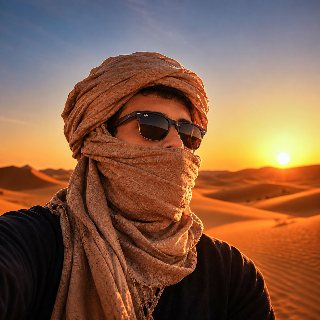
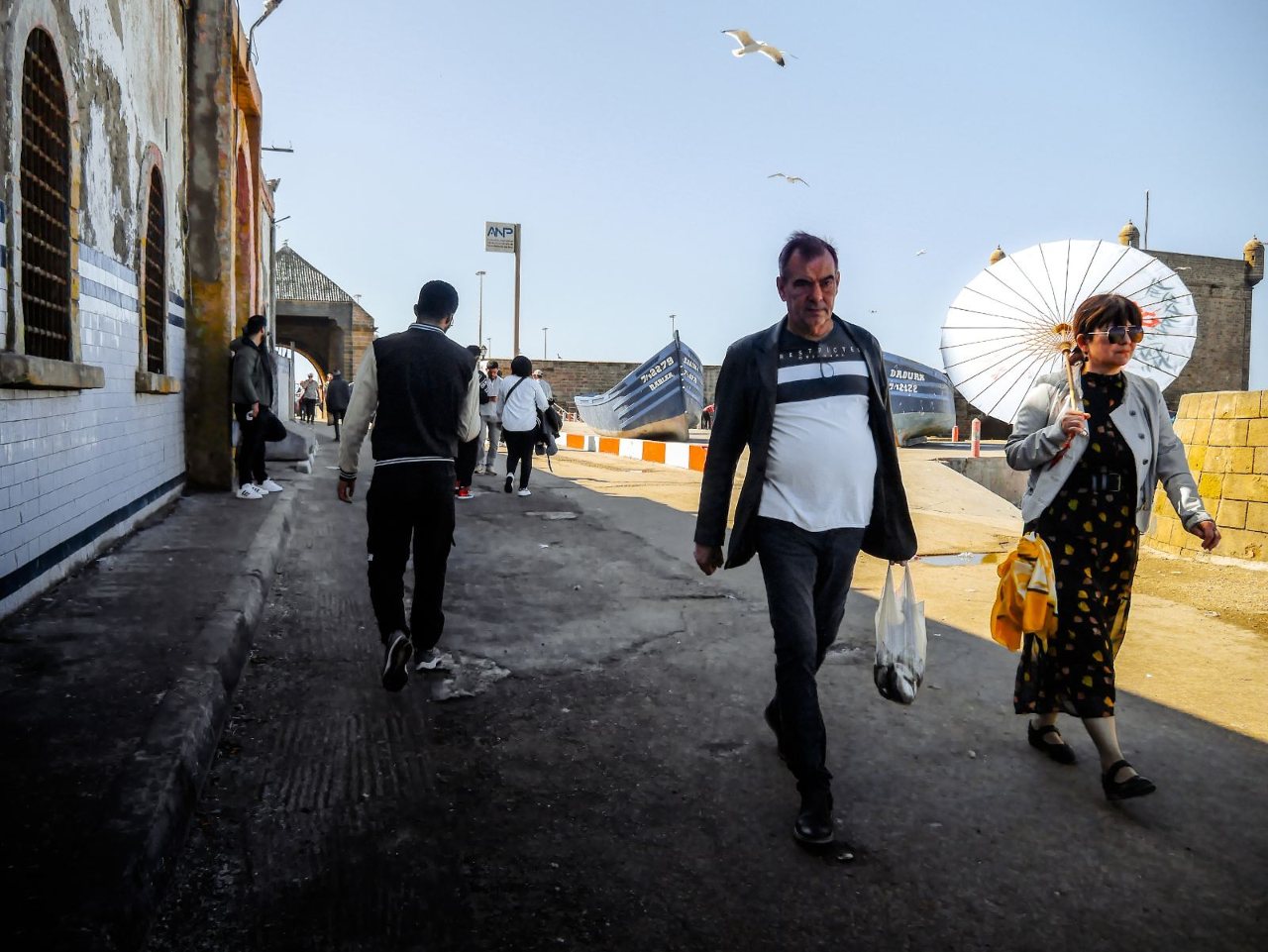
Eight years of wandering Morocco’s labyrinthine medinas, coastal harbors, and mountain foothills with a camera will teach you one thing quickly: this country possesses some of the most cinematic light on earth, but street photography here requires a delicate touch. The Street Reality: Why Discretion Matters If you are visiting Morocco, you will quickly find that photographing people is culturally sensitive. Many locals value their privacy deeply, and pointing a bulky camera directly into someone's face is the fastest way to invite defensive reactions or sharp words. The primary rule for any traveler is simple: always ask for permission first. A polite smile and a quick "Mumkin soura?" (May I take a photo?) or buying a small item from a merchant before shooting establishes genuine rapport. If you don't have explicit permission, you must either focus strictly on architecture and environmental scenes, or know how to keep your presence subtle without being intrusive. ✓How I Stay Unnoticed: Gear and Techniques Carrying a massive DSLR setup makes you stand out instantly in a crowded souk. Over the years across dozens of cities, I developed two practical strategies to keep the peace and capture authentic, unposed moments: • Using a Telephoto / Zoom Lens: Hanging back across an open square or down a long alleyway lets you compress the scene and capture natural street interactions without invading anyone's personal space. • Small Digicams and Compact Bodies: Pocketable cameras—like the unassuming Lumix GF6—are the ultimate street tools. People rarely pay attention to a tiny camera the way they do a heavy pro rig. Utilizing a tilt-screen to shoot from the hip allows you to frame candid compositions without ever raising the camera to your eye. ✓ Where the Magic Happens: Four Iconic Cities While every region has its own rhythm, the best, most evocative frames I’ve captured over the past eight years have consistently come from four places: • Marrakech: Raw, kinetic energy where dusty beams of golden sunlight cut through the slatted reed roofs of the souks. • Essaouira: Moody Atlantic mist, wind-whipped djellabas, and weathered stone ramparts framed by flying seagulls. • Chefchaouen: A dreamscape of cool shadows and endless indigo washes, especially in the quiet morning light before the crowds arrive. • Fes: Pure medieval texture, narrow derbs where time feels suspended, leather tanneries, and brass artisans working in rich, natural chiaroscuro. Street photography here isn’t about taking whatever you can get; it’s about patience, reading the room, and knowing when to blend into the background.